Troubleshooting
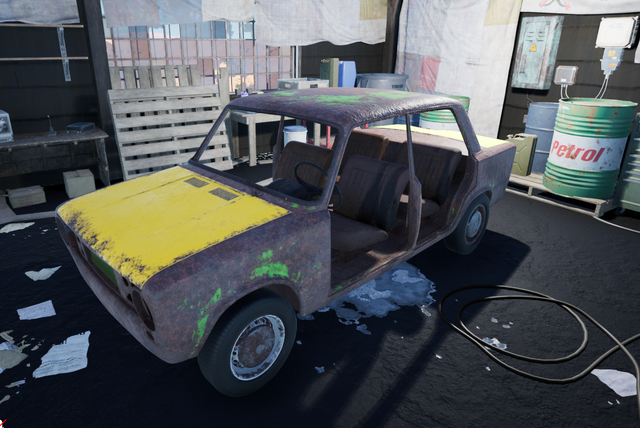
A checklist for the most common reason a car won't move: a missing part or the wrong fluid. For a vehicle to drive it needs several parts attached and the right fluids in the correct tanks.
Engine
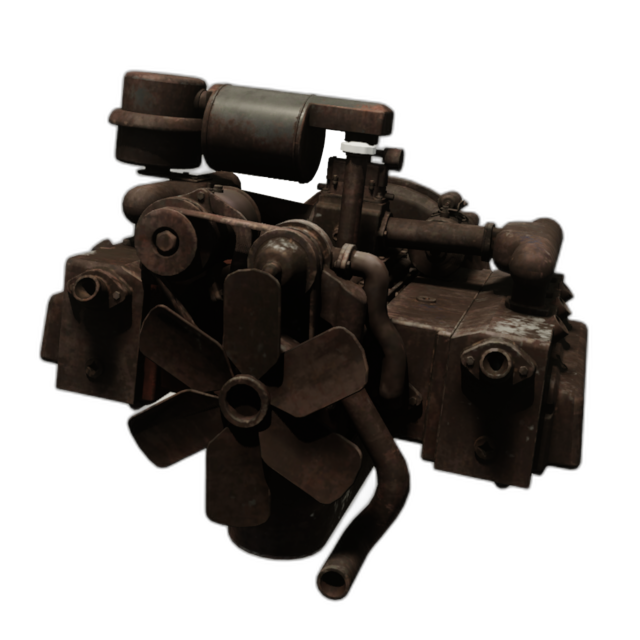
A vehicle needs an engine attached to the engine bay (front or back). Any vehicle can use any engine, though each has its own stock engine and some work better than others. The engine shows how much oil it holds and its current level: it needs only a little to start, but should be full for best performance. It also shows which fuel type it uses.
Fuel
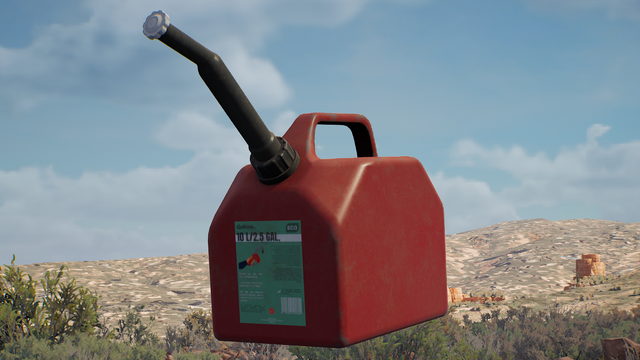
The vehicle needs fuel matching its engine. The fill location varies — usually near the rear, on one side or by the rear bumper. Pure fuel is best, but fuel mixed with small amounts of other fluids still works. In a pinch, you can even run a car on drunken piss.
Radiator
A running engine makes a lot of heat and, without a radiator, will quickly overheat and shut off. Install the radiator in the bay, usually right in front of the engine, and fill it with water to cool the engine.
Battery & controls
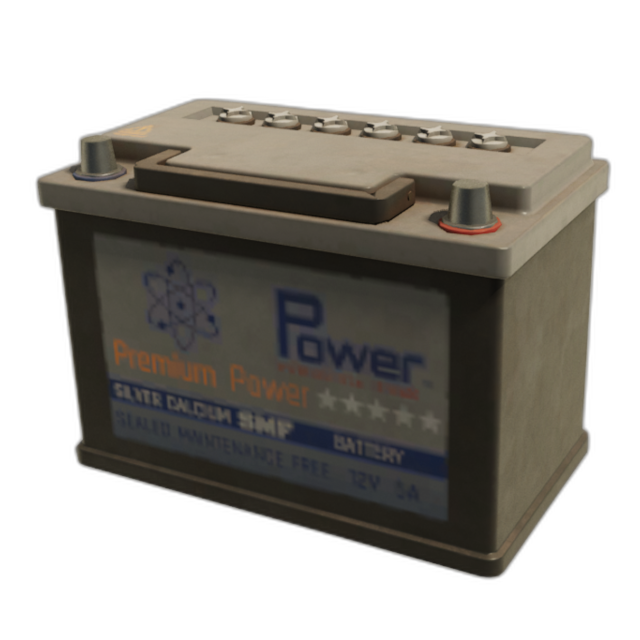
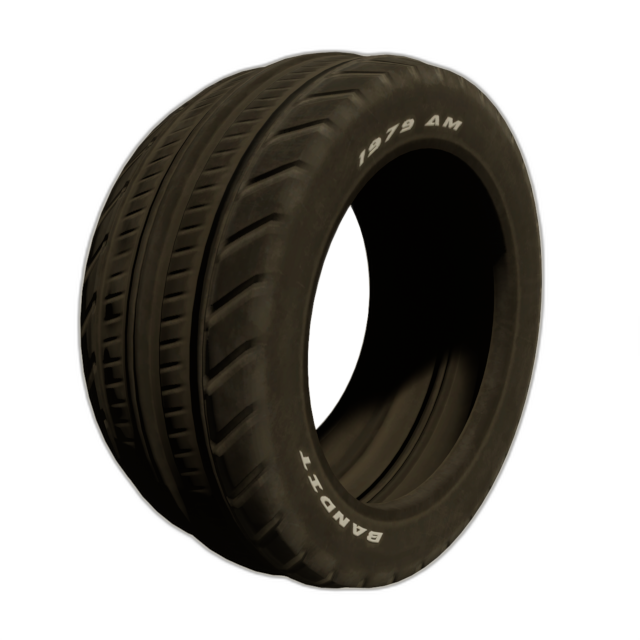
A battery is required to start the vehicle and to power electrical parts (lights, ignition, radio). You also need a seat to sit, an ignition to start the engine, a shifter to change gears, and wheels with tires. Still stuck? Ask in the DBH Discord #questions channel.
Seat
A seat must be attached at the driver's position to get inside and start/drive the vehicle. Any seat works as long as it is in the correct position.
Pedals
- A vehicle needs three pedals — brake, accelerator, and clutch — attached at the driver's position, underneath the dashboard and steering wheel. Pedals are interchangeable across vehicles.
- Without an accelerator pedal the vehicle won't start, and if running it won't move.
- Without a brake pedal you can't brake or stop.
- Without a clutch pedal you can still start and drive, but it makes a grinding noise when shifting gears.
Steering wheel
A vehicle needs a steering wheel to turn and steer, installed on the steering column directly in front of the driver's seat. You can start and drive without one, but it will only go in a straight line with no control.
Ignition
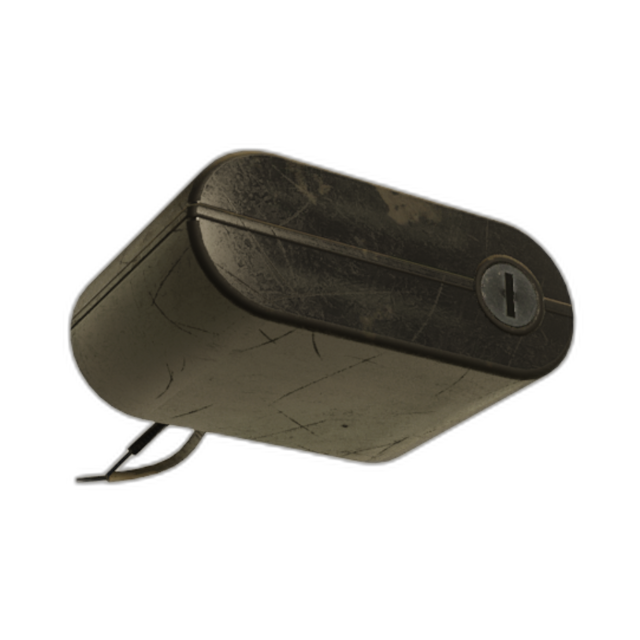
A vehicle needs an ignition to turn on and start. The ignition location differs for each vehicle but is typically on the steering column.